Miliwe Tours & Travel
Travel Advisor
Get expert advice, reviews, and tips for your Tanzanian adventure
Discover Tanzania
Top Destinations & Travel Advice
Select a destination to get expert tips, reviews, and advice from fellow travelers
safari
0.0
Lake Eyasi
northern Tanzania's
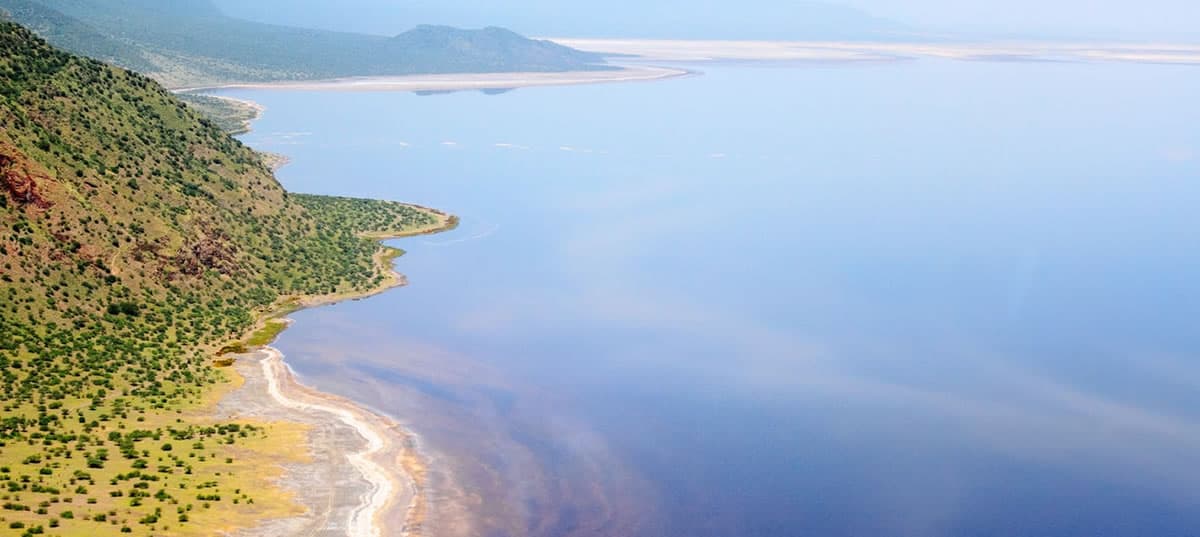
Lake Eyasi, tucked away in northern Tanzania's Great Rift Valley, is a serene and untouched destination known for its biodiversity, cultural heritage, and dramatic landscapes. Unlike the more frequented parks, Lake Eyasi offers a raw and immersive experience in nature. The lake is home to over 350 species of birds, including flamingos and pelicans, and supports diverse ecosystems of acacia savanna, woodlands, and seasonal wetlands. It's also a key habitat for wildlife such as giraffes, zebras, baboons, and occasionally elephants and leopards.
0 ReviewsContact for Price
national park
0.0
Selous Game Reserve
southern Tanzania
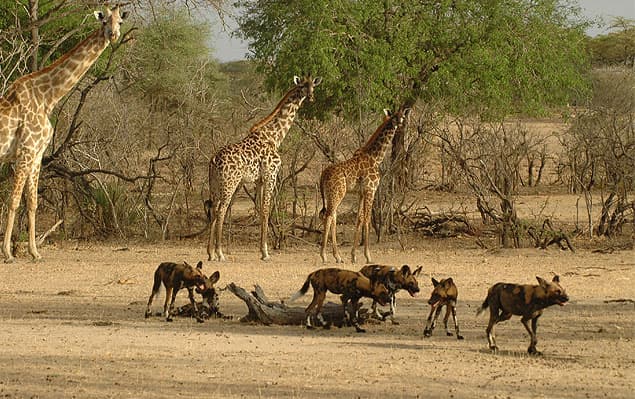
The Selous Game Reserve, now part of Nyerere National Park, is a vast expanse of pristine wilderness in southern Tanzania. As one of the largest protected areas in Africa, it offers an off-the-beaten-path safari experience far from the crowds of the northern circuit. The mighty Rufiji River cuts through the reserve, creating an intricate network of lakes, channels, and swamps. This makes Selous one of the few parks in Africa where you can combine traditional game drives with boat and walking safaris. Selous has a rich conservation legacy, named after Frederick Selous, a British explorer and early conservationist. The reserve was designated a UNESCO World Heritage Site for its biodiversity and relatively undisturbed natural state. Location and geography Situated in southeastern Tanzania, Selous spans over 30,000 square kilometers, making it one of the largest game reserves in the world. It includes riverine forests, miombo woodlands, grasslands, and wetlands, forming a diverse ecosystem that supports a wide array of wildlife. Wildlife and biodiversity The park is home to large populations of elephants, buffaloes, lions, hippos, crocodiles, and the endangered African wild dog. Its varied habitats also support over 400 bird species, making it a paradise for birdwatchers and wildlife photographers alike.
0 ReviewsContact for Price
National Park
0.0
Lake Manyara National Park
Manyara Region
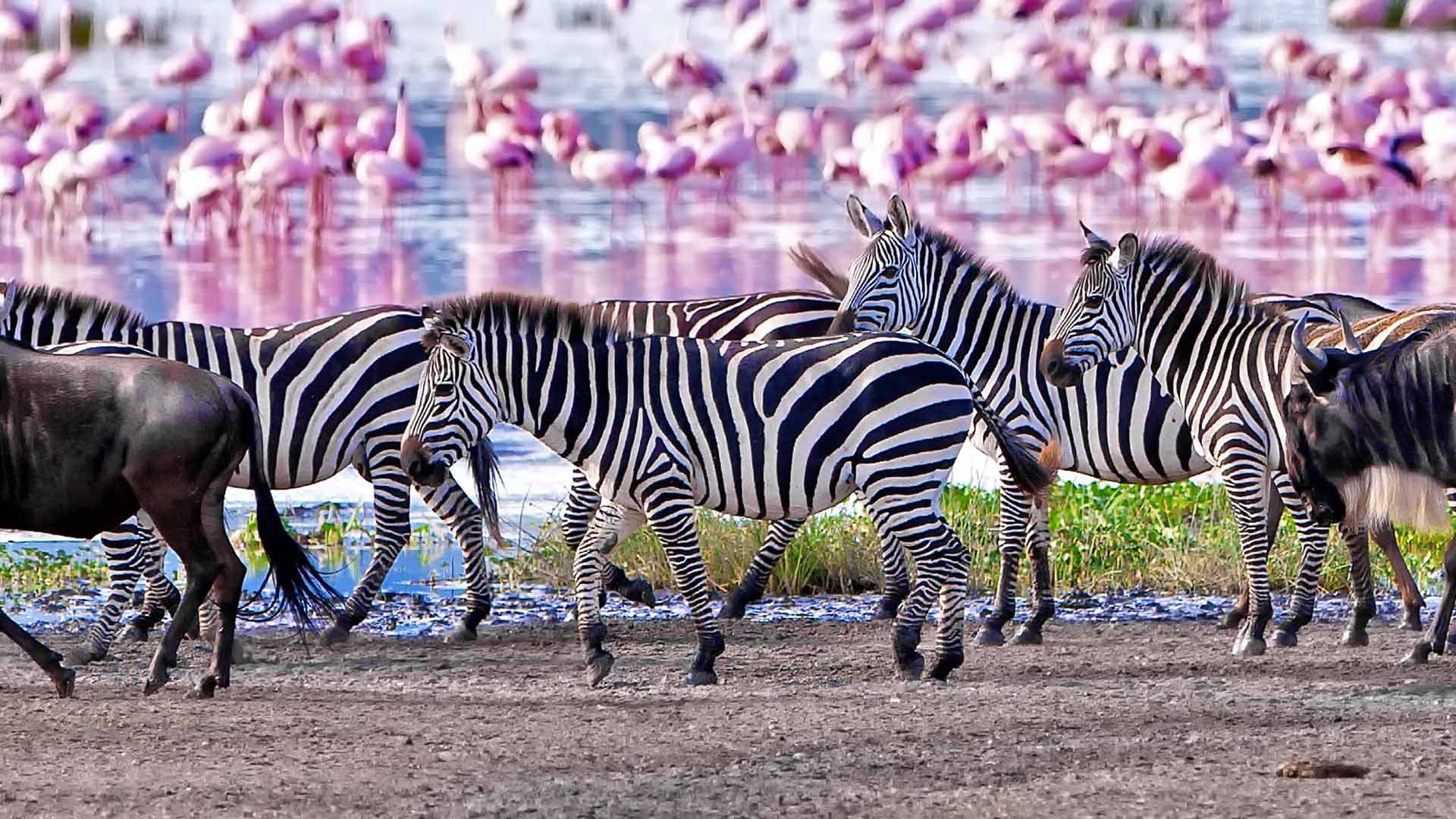
Lake Manyara National Park is famous for its tree-climbing lions, a unique behavior not commonly seen elsewhere. The park’s diverse habitats range from the alkaline lake itself to groundwater forests and acacia woodlands. Birdwatchers will be delighted by the over 400 species of birds found here. The park also supports a large population of elephants, as well as hippos, giraffes, and various antelope species. Lake Manyara National Park was established in 1960, and it covers an area of approximately 330 square kilometers. The park was created to protect the region’s wildlife and habitats. Since its establishment, the park has become an essential conservation area that attracts visitors from around the world.Lake Manyara National Park is a UNESCO biosphere reserve and is known for its incredible biodiversity. The park is home to over 400 bird species, making it one of the best bird watching destinations in the world. The park is also home to a variety of wildlife, including elephants, lions, and baboons.
0 ReviewsContact for Price
National Park
0.0
Arusha National Park
Arusha Region
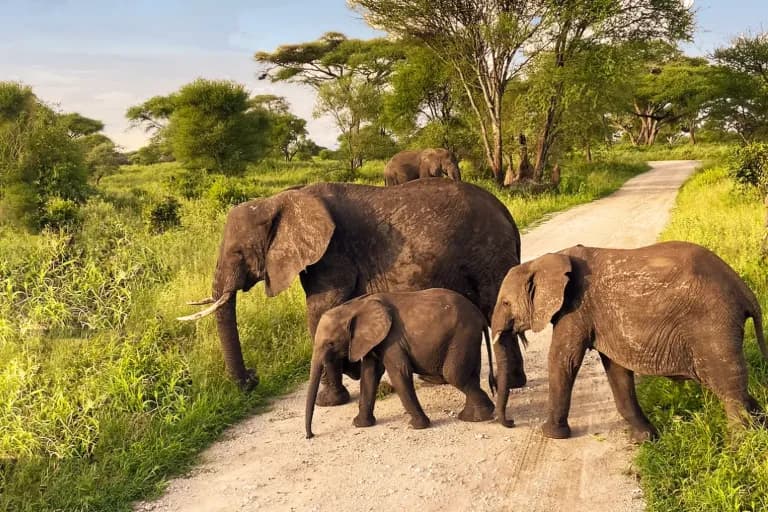
Arusha National Park, though small, boasts a remarkable variety of landscapes. From the lush montane forest inhabited by black and white colobus monkeys to the open grasslands, it’s a haven for wildlife enthusiasts. The park is also home to the Momella Lakes, a series of seven alkaline lakes that attract a wide array of waterbirds, including flamingos. Mount Meru, the second-highest mountain in Tanzania, dominates the park’s western horizon. Arusha National Park is a hidden gem in Tanzania’s tourism industry. The park is located in the northern region of Tanzania and spans over 137 square kilometers. Despite its small size, the park is home to a diverse range of wildlife, unique landscapes, and cultural heritage.Arusha National Park was established in 1960 and was initially created to protect the region’s wildlife and natural resources. The park is also home to several cultural heritage sites, including the Ngurdoto Crater and Momela Lakes, which hold cultural significance for the local Maasai people.Arusha National Park is a UNESCO World Heritage Site and a biosphere reserve. It is renowned for its biodiversity and ecological significance, and it is a critical water catchment area for the surrounding region. The park also provides critical habitat for several endangered species, including the black and white colobus monkey and the African elephant.
0 ReviewsContact for Price
City Tour/ Historical & Cultural Tour
0.0
Zanzibar
Eastern Tanzania
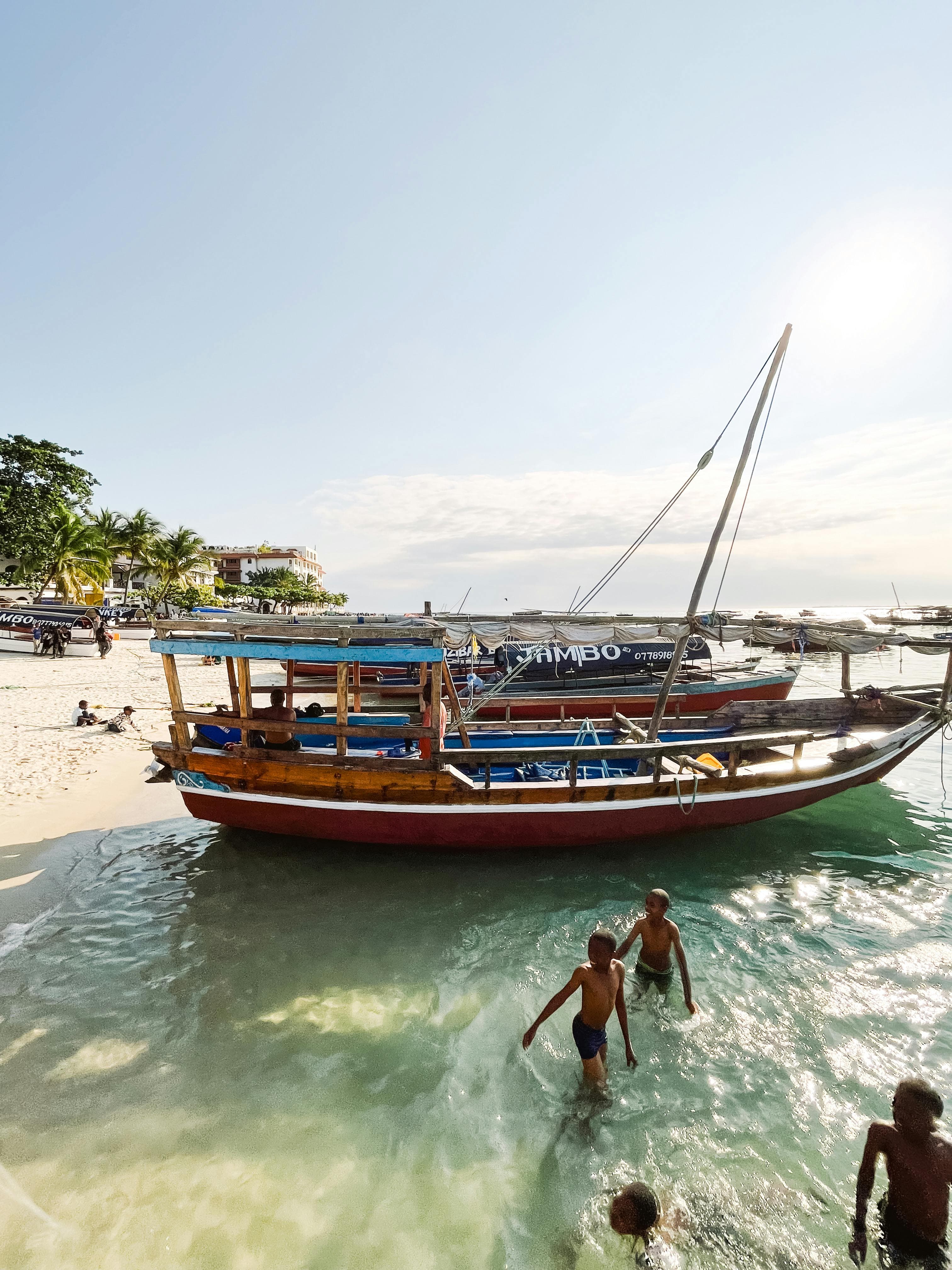
A tropical paradise where turquoise waters meet white-sand beaches and rich Swahili culture. Zanzibar is the perfect mix of relaxation, history, and adventure, from the narrow, winding streets of Stone Town to the palm-lined beaches of Nungwi and Kendwa. Whether you’re unwinding after a safari or looking for a standalone beach escape, Zanzibar delivers crystal-clear waters, vibrant sunsets, and unforgettable island vibes.
0 ReviewsContact for Price
Safari/ Historical
0.0
Ngorongoro Crater
Northern Tanzania
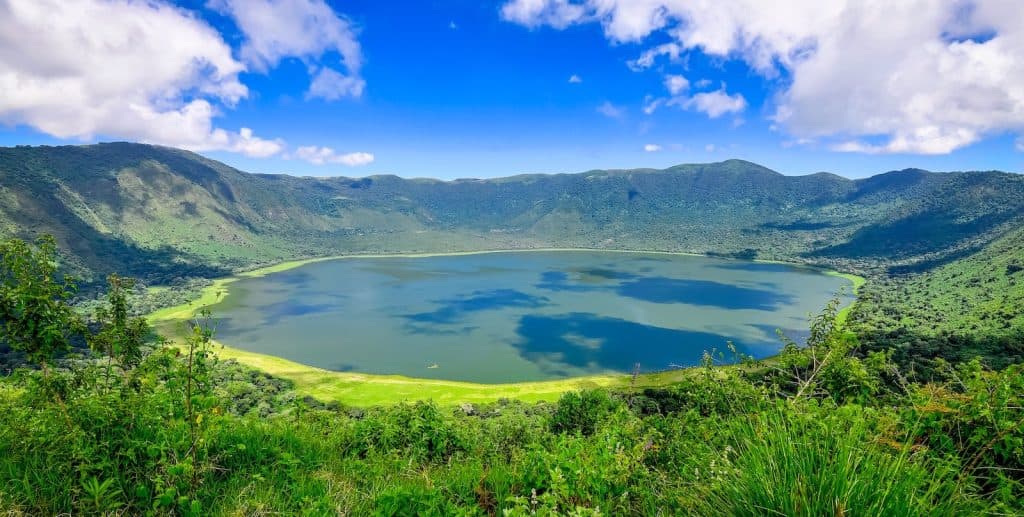
One of Africa’s most breathtaking safari destinations, Ngorongoro Crater is the world’s largest intact volcanic caldera, a natural wildlife haven packed into one incredible landscape. Imagine descending into a massive green crater where lions, elephants, rhinos, buffalo, and zebras all live in one place, it’s one of the easiest places in Africa to spot the Big Five in a single day. From the crater rim, you get panoramic views of a vast wildlife-filled bowl, while down on the crater floor, every game drive feels intense and rewarding. Flamingos gather at Lake Magadi, predators roam freely, and the scenery is unmatched, raw, dramatic, and alive.
0 ReviewsContact for Price
Safari/ Camping
0.0
Tarangire National Park
Northern Tanzania
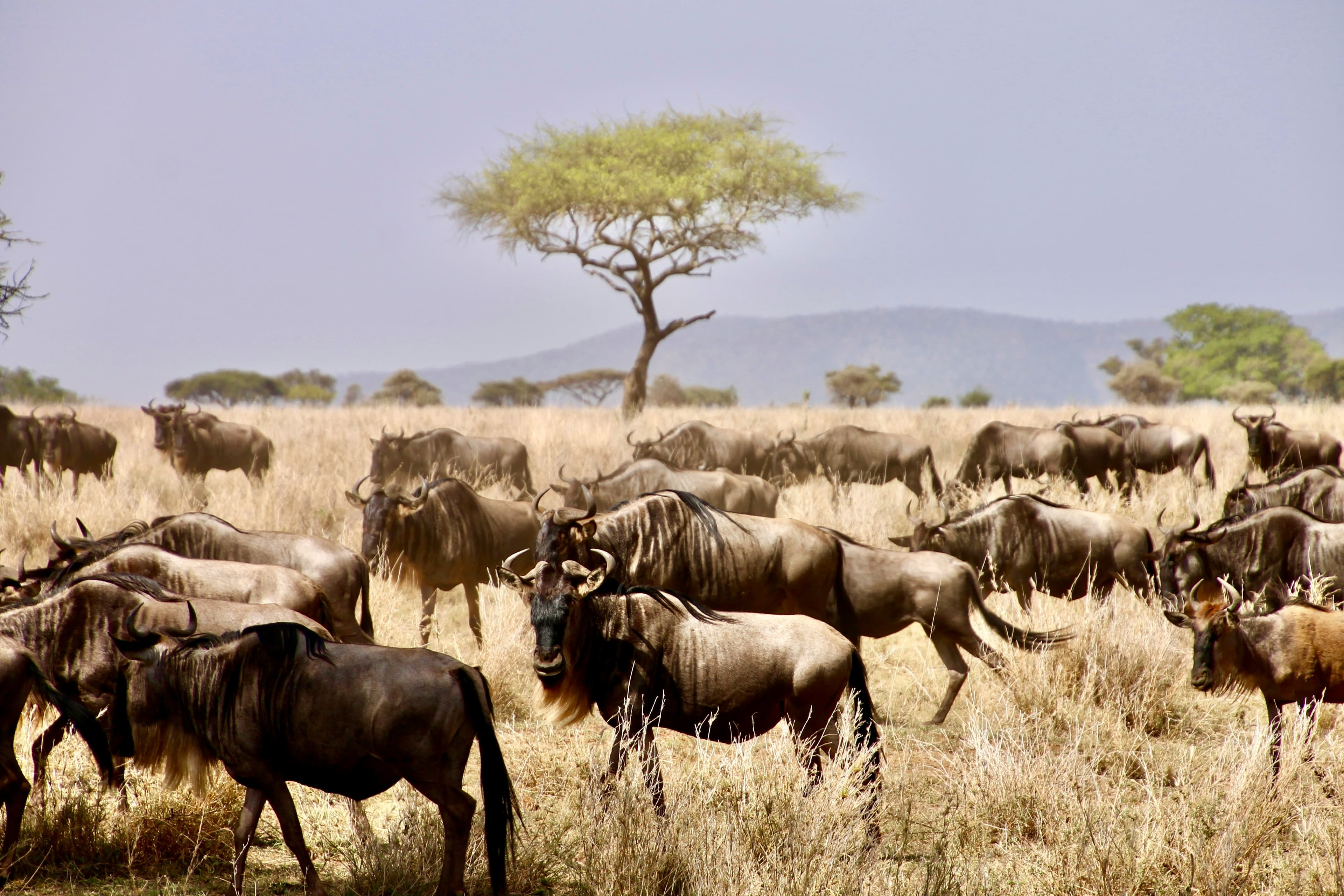
A hidden gem of Tanzania’s safari circuit, Tarangire is where wild Africa feels untouched and raw. Famous for its giant baobab trees and massive elephant herds, this park offers a quieter, more intimate safari experience compared to the Serengeti. During the dry season, the Tarangire River becomes a lifeline, drawing in hundreds of elephants, zebras, wildebeest, and predators, creating incredible wildlife viewing in a compact area. Expect dramatic landscapes, golden savannahs, and close-up encounters with some of Africa’s largest animals.
0 ReviewsContact for Price
Mountain Climbing
0.0
Mount Kilimanjaro
Northern Tanzania
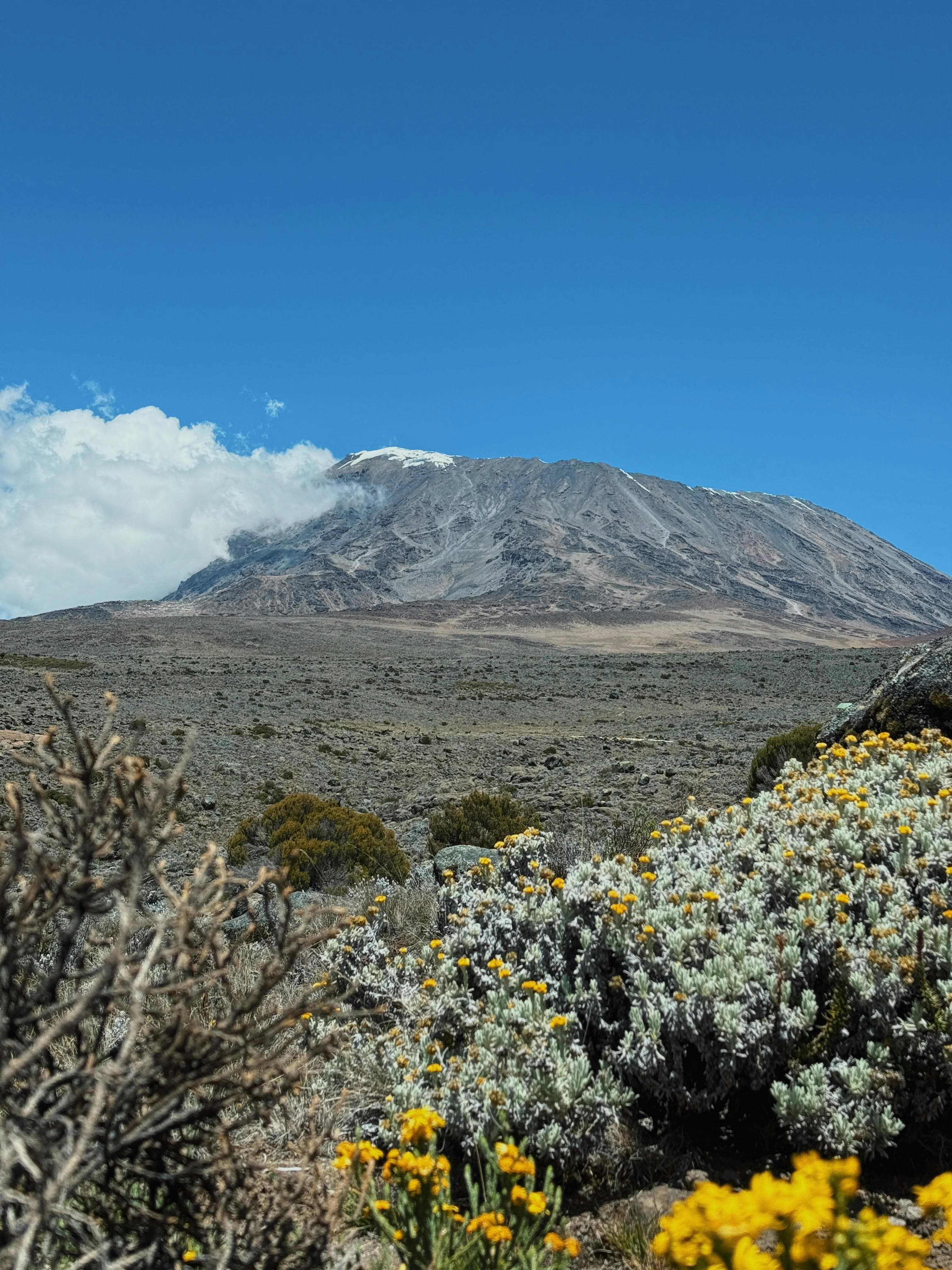
Mount Kilimanjaro, Africa’s highest peak and one of the world’s most iconic adventures. Rising above the plains of Tanzania, this legendary mountain takes you on a journey through five unique climate zones, from dense rainforest and misty moorlands to alpine desert and the breathtaking, snow-capped summit. Climbing Kilimanjaro is not just a trek, it’s a personal challenge and a life-changing experience. As you ascend, expect dramatic scenery, ever-changing landscapes, and moments that push both your physical and mental limits. Nights are spent under vast African skies, and days are filled with steady trekking, guided by experienced local crews who support you every step of the way. Reaching the summit at Uhuru Peak is the ultimate reward, standing above the clouds as the sun rises over Africa is a moment you’ll never forget
0 ReviewsContact for Price
Safari
0.0
Serengeti
Northern Tanzania
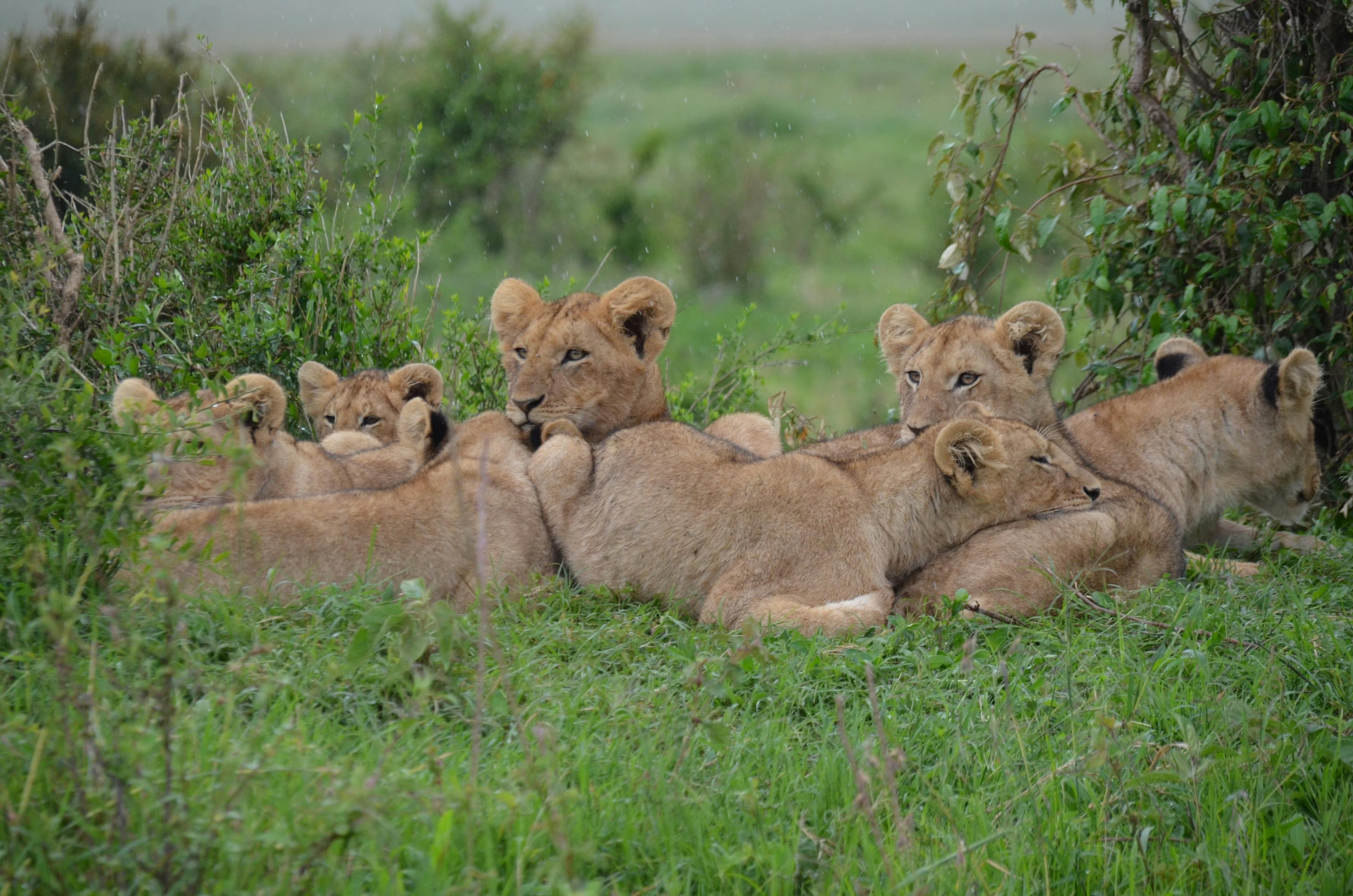
The Serengeti is where nature moves freely and every moment feels alive. From endless golden plains to unforgettable wildlife encounters, it offers raw beauty, powerful sunsets, and experiences that stay with you long after the journey ends.
0 ReviewsContact for Price